Public Sector
Endpoint management for public teams with long-lived devices and reporting needs.
FileWave helps public-sector IT manage distributed offices, shared devices, long refresh cycles, procurement, reporting, and mixed platforms. It gives teams a practical way to deploy software, patch endpoints, report on status, and support users without needing a separate tool for every device type.
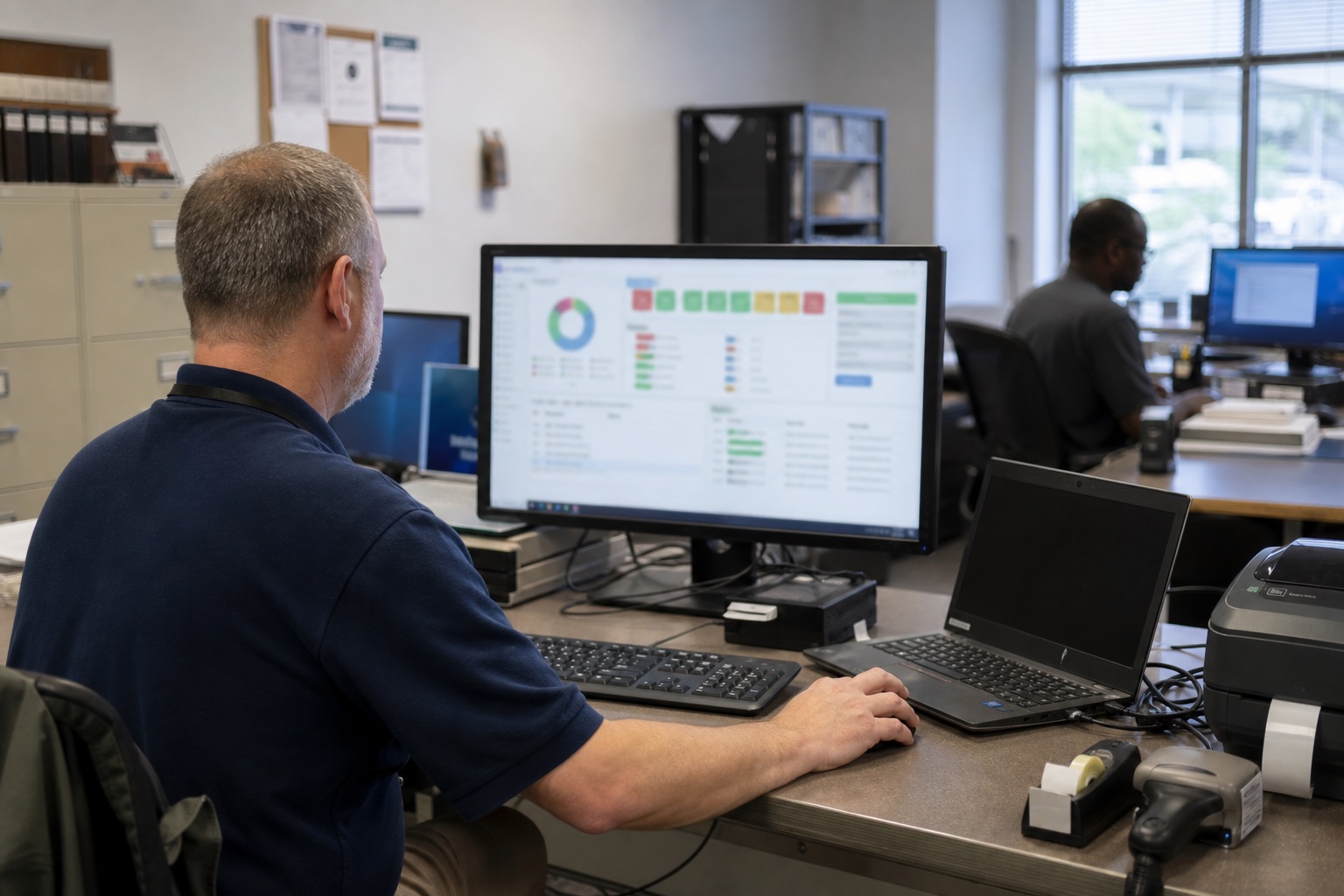
Endpoint workflows
Practical endpoint workflows for public sector teams.
Distributed departments
Manage endpoints across agencies, departments, offices, libraries, public works teams, and field staff.
Long-lived devices
Use inventory, patching, and reports to keep older and newer devices visible in one operating picture.
Procurement and reporting
Support vendor review, policy, security-review, and reporting conversations with practical endpoint data.
Public-sector endpoint operations
Support distributed offices with clearer endpoint visibility and control.
Distributed departments
Target software, settings, and patch work by department, office, library, field team, project, or device role.
Long-lived devices
Use inventory and reporting to find older hardware, outdated operating systems, and endpoints that need refresh or remediation planning.
Vendor and security review support
Use ISO/IEC 27001 context and practical endpoint reports to support procurement and security-review conversations without implying agency-specific certification.
Public-sector endpoint work FileWave supports
- Deploy software, profiles, scripts, and settings to groups based on department, location, device type, or project.
- Track hardware, operating systems, software, patch status, and device health.
- Support hosted or self-managed deployment models depending on public-sector requirements.
- Use ISO/IEC 27001 certification and reporting as part of procurement and security review.
Good-fit environments
- Government agencies, municipalities, libraries, public services, and education-adjacent public teams.
- Organizations with distributed users and mixed device platforms.
- Teams that need visibility, control, and reporting without increasing tool sprawl.
In practice
How FileWave helps in practice.
A public-sector IT team can use FileWave to support a mix of office devices, shared public-facing machines, field laptops, and long-lived endpoints. Software and policy assignments can follow departments or locations instead of becoming a manual checklist.
For procurement and leadership, FileWave helps provide the concrete details that matter: what is managed, what is patched, what is deployed, and what still needs work.
Explore more
Explore the FileWave capabilities behind this workflow.
FileWave brings enrollment, software and content deployment, patching, inventory, reporting, TeamViewer Remote Control, Self-Service Kiosk/App Portal, REST API, IdP SSO, and hosted or self-managed deployment options into the same practical endpoint management story.
Talk to FileWave
Talk public-sector needs.
Share the device mix, deployment model, and operational goals. FileWave can help map the right evaluation path.
Common questions
Common questions for evaluators and admins.
How does FileWave support public sector teams?
FileWave supports public sector teams with endpoint inventory, patching, software deployment, reporting evidence, lifecycle planning, support workflows, and deployment flexibility.
Why do public teams need lifecycle visibility?
Public sector environments often include long-lived devices, procurement cycles, compliance reviews, and distributed offices, so endpoint visibility helps planning and accountability.
Can FileWave support hosted or self-managed requirements?
Yes. FileWave can be hosted or self-managed on premises, giving public teams options for their operational and policy requirements.